This is the first post in my 3D-printing series. In this article, I wanted to tell the story of how I got into 3D printing, how my printers evolved over time, and how a casual curiosity turned into one of my favorite hobbies. If you want the bigger lessons that came out of all of this, that is in the second article. If you want the project archive with the actual prints, fixes, and experiments, that is in the third article.
Why 3D Printing Had Me Hooked Before I Owned One
I’d been fascinated by 3D printers since they first came on the scene. Before I had one sitting on my desk, I was already thinking about all the random little plastic parts that are a pain to get, and how great it would be if I could just make a perfect replacement myself.1 Because I was already immersed in the world of traditional printers, 3D printing didn’t feel completely foreign to me either. In my head, it had enough overlap with the printer world I already knew that it felt like a very natural rabbit hole for me, and I even found myself pointing out that some of the earliest medical 3D printers were basically inkjet printers with different cartridges and an added Z axis.2
That interest was strong enough that I started asking PrinterKnowledge members whether they wanted a real 3D printing section on the site. I didn’t like creating empty sections just because something seemed interesting, so I wanted to see whether there was enough real interest first. By July 2017 there was, and I finally launched a dedicated 3D printing section on the forum. Around that same time, after a brutal emergency business project had eaten most of May and June, I admitted that I was worried I’d get consumed by 3D printing if I finally let myself get into it. That turned out to be a very accurate concern.345
Buying My First Printer
Once I gave myself permission to stop just reading about 3D printing and actually get into it, I went for a machine that matched both my patience level and my budget: the Monoprice Select Mini. At $220, pre-assembled, well reviewed, and popular enough to have a mountain of videos and troubleshooting help online, it felt like the safest possible way to get into the hobby without starting with a kit that would test my patience before I ever made a print.6
- The price was almost absurdly low for what it promised.
- It was ready to print right out of the box.
- The reviews were strong both on Amazon and on YouTube.
- It was popular enough that I knew I’d have plenty of information online to pull from.
- And if I’m being honest, part of the appeal was that The Hat already had one and could help point me in the right direction.
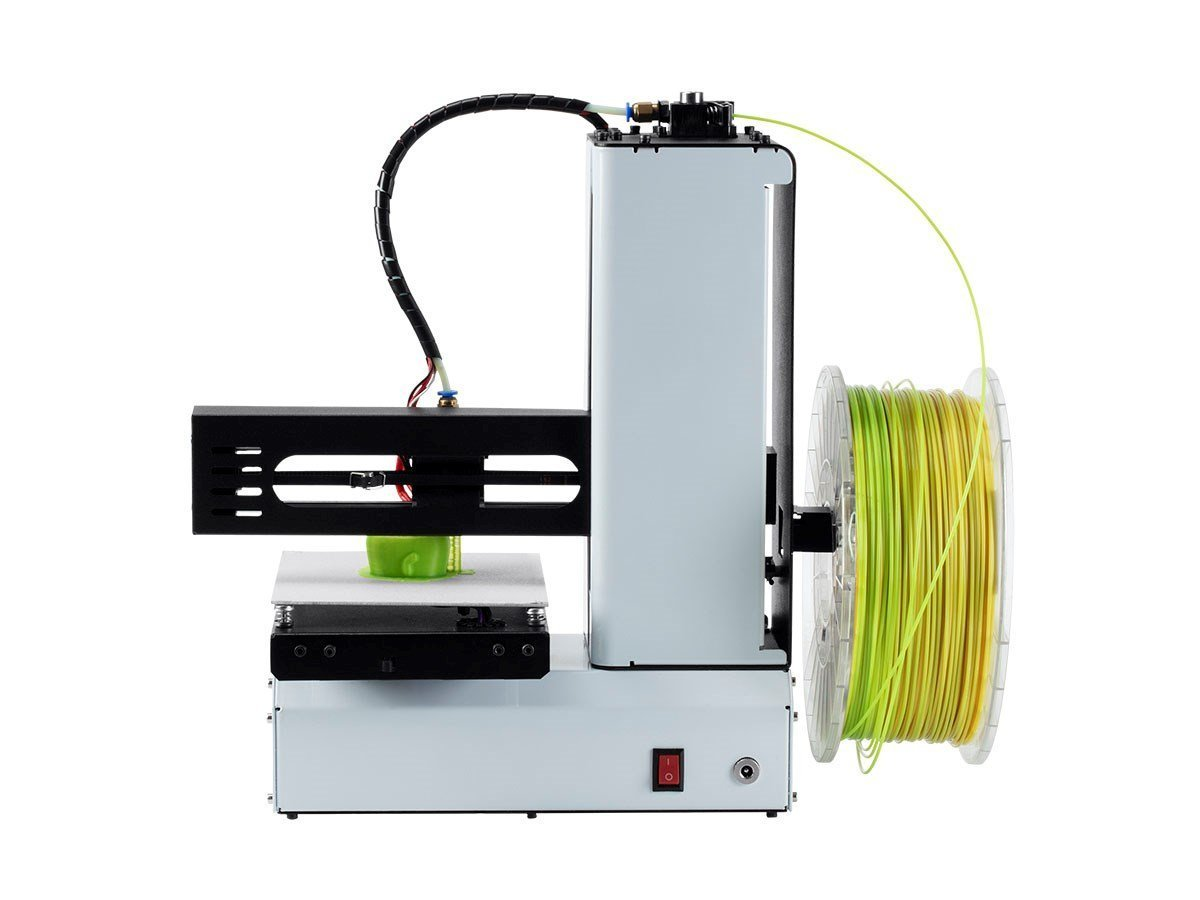
I had already spent months watching videos on that printer, so by the time I finally bought it I had myself thoroughly convinced it was the right starting point. I wasn’t looking for the biggest or fanciest option. I was looking for something I could actually learn on without fighting it from minute one. This was one of the early videos that helped sell me on it.7
First Prints, First Failures, and the Moment It Became Real
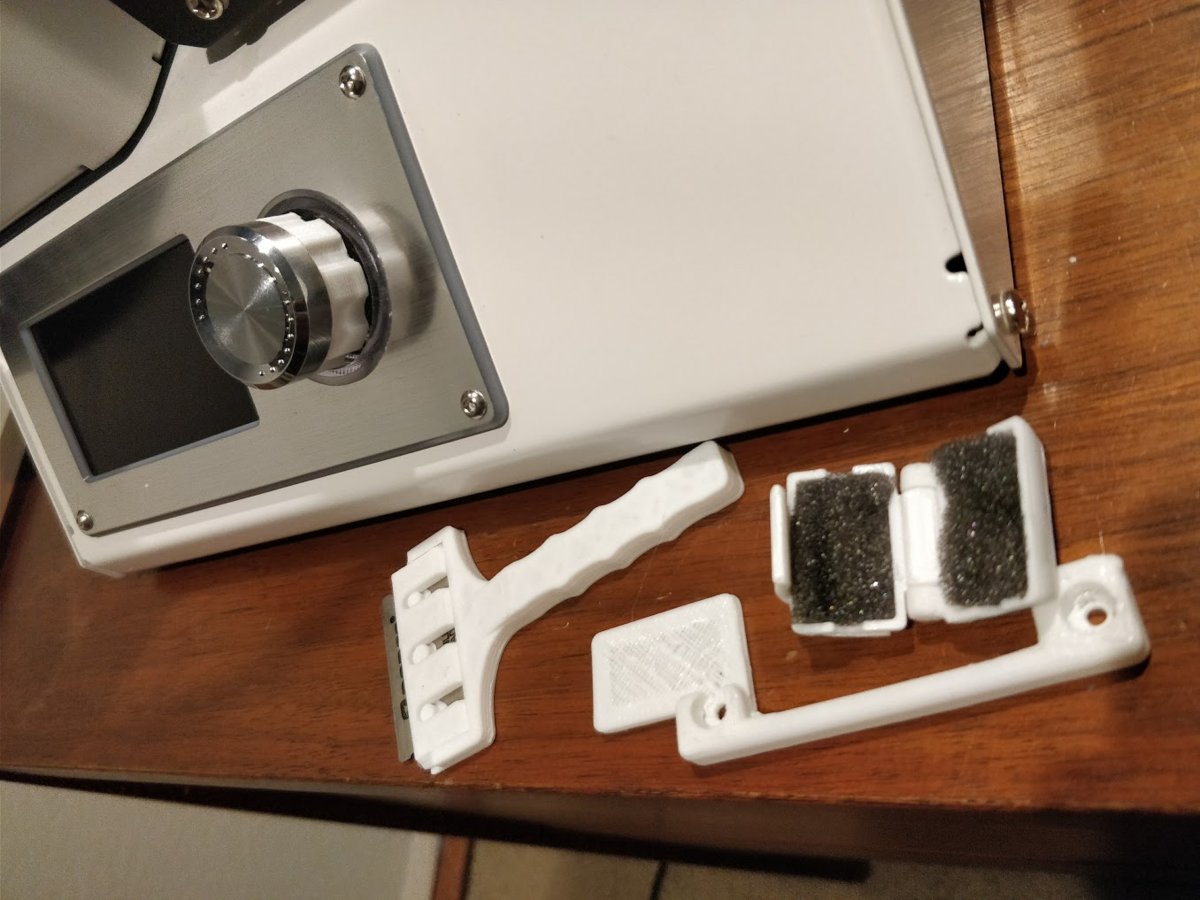
When the printer showed up, I skipped the throwaway sample model and went straight to a control knob extension from Thingiverse as my first print. That felt more like me. Even on day one, I wanted useful output, not just proof that the machine worked. My second print was a razor blade holder, and not long after that I had a little lineup of printer upgrades sitting on my desk. In those first few days I printed a control dial extension, a razor blade holder, a filament dust filter, and a filter bar. One of the first things I loved about 3D printing was the recursive nature of it. The machine could make stuff to make itself better.89
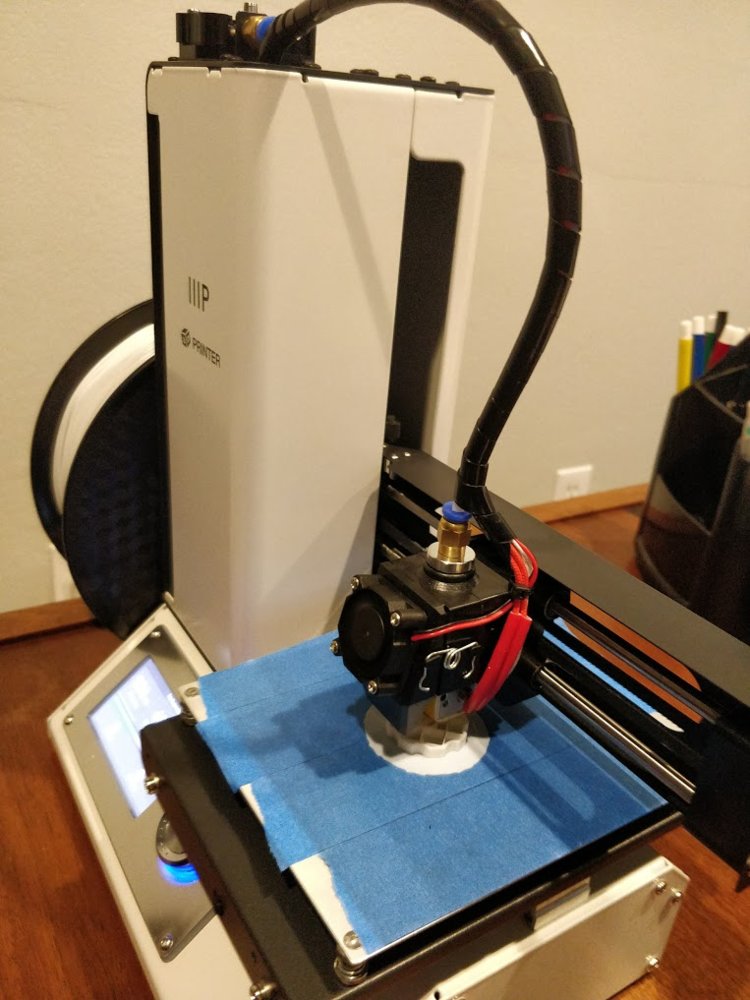
That honeymoon lasted right up until the first layer adhesion problems started. I had prints that would not stick, a gyro spinner that failed over and over, and a short-lived experiment with oil that definitely did not help. Even then, I could already tell I was hooked. The failures were annoying, but they weren’t discouraging. They just made me want to figure out bed height, temperature, speed, material, and every other variable that might get me to a more reliable result.1011
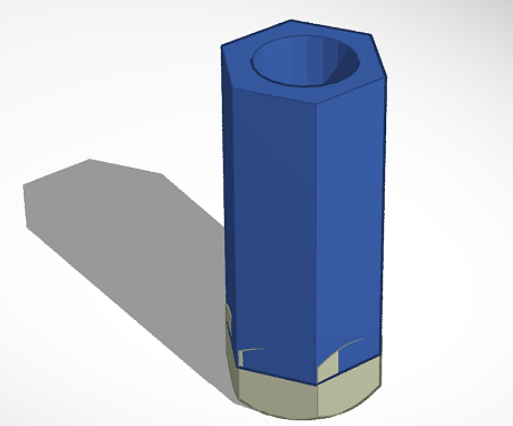
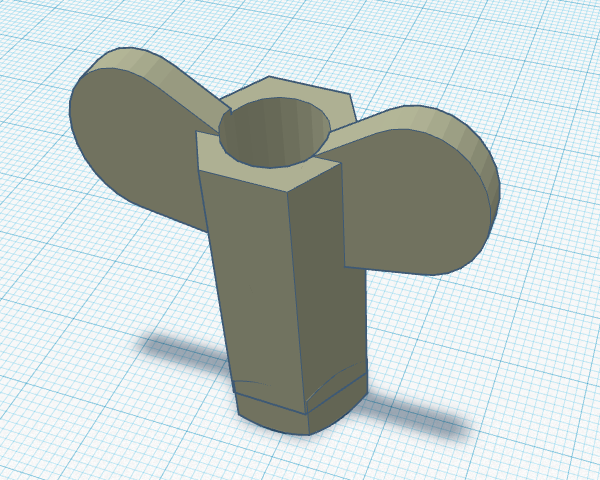
The part that really pushed me over the edge was that I started designing before I even had the printer in hand. I really did want to keep my 3D printing limited to stuff that I needed, and that pushed me toward my first real custom design: a better toilet seat nut that would be easier to access and tighten by hand. I built it in Tinkercad, imported existing pieces where that made sense, and started modifying them to suit my own use case. That was the first time the hobby stopped being about downloading files and started becoming about solving my own problems.12
What I liked about that project was how practical and improvised it was. I imported an existing nut because I didn’t want to waste time fighting thread sizing, built a polygon body around it, hollowed out the center, and then merged in a wingnut shape because I wanted something I could tighten by hand. Even before I had a printer on the desk, I was already trying to make the part better for my own use instead of just reproducing what already existed.13
Outgrowing the Mini
The Monoprice Select Mini was a fine tiny printer, and great for getting me introduced to the hobby, but I needed bigger. I could already see the print volume becoming a limiting factor, and that sent me looking hard at the Creality CR-10. It seemed to offer exactly what I wanted next: a much larger build area, a strong support community, and something close enough to ready-to-run that it wouldn’t turn into a full kit build. At the time, the list in my head looked something like this: larger print volume, a heated bed, auto bed leveling, a touch screen, a good price per build volume, and a big enough support community that I wouldn’t be stuck troubleshooting alone.1415
On August 15, 2017, I pulled the trigger on the CR-10. The 300 x 300 x 400 build volume felt huge, and I gave myself a short trial period to decide whether I really needed both printers or whether the bigger one would replace the Mini.16
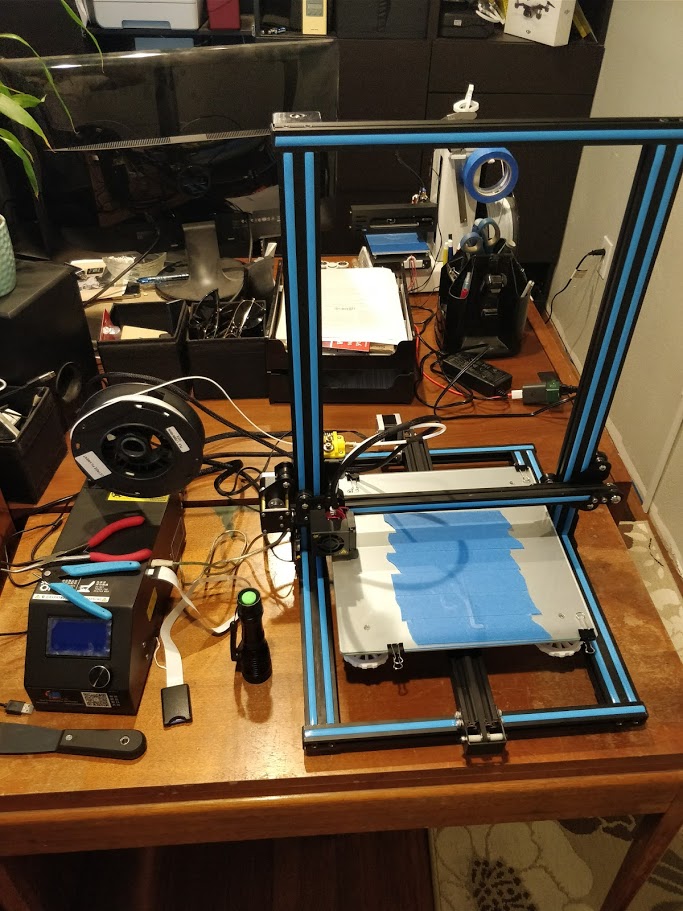
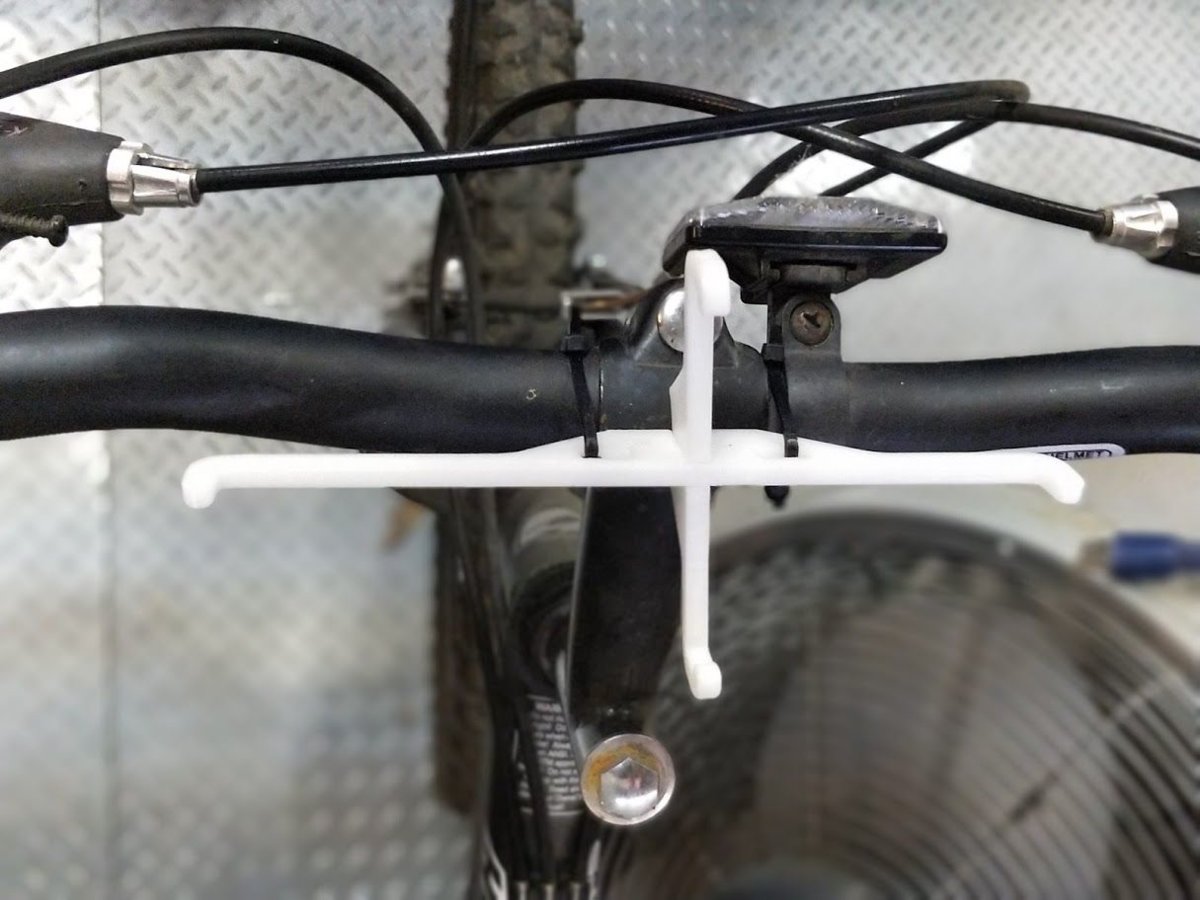
The CR-10 immediately opened up prints that were simply too big or too tall for my first machine. It also introduced its own set of annoyances: a bulky fan shroud, a louder control box, more bed adhesion issues, and more dialing in than I had hoped for. Still, it was obvious almost right away that I had crossed into a new stage of the hobby. I could print things that had been completely out of reach only days earlier, like the bike phone clip that was too big for the Mini and a credit-card glider that was too tall for it.17
Part of what pushed me there was simple workflow friction. I was already realizing that even switching printers and profiles in Cura was enough of a pain to make me want just one machine. For big prints the CR-10 had an obvious advantage, and for small prints I still suspected I would prefer one primary setup instead of splitting time between two ecosystems.1819
After a few days of going back and forth, I decided one printer was enough. My brother made a very practical point: if I ever truly missed having two printers, I could always buy another small one later. So I stripped off my mods, boxed the Monoprice back up, and sent it back. At that point the CR-10 had won.20
The Hobby Got Deeper When I Started Designing More of My Own Parts
Even before the CR-10, Tinkercad had already lowered the barrier enough for me to start making simple, useful parts. I was impressed by how accessible it was, and that mattered because one of the biggest things holding me back early on had been the fear that the software side would be a slippery slope I wouldn’t have time to learn.2122
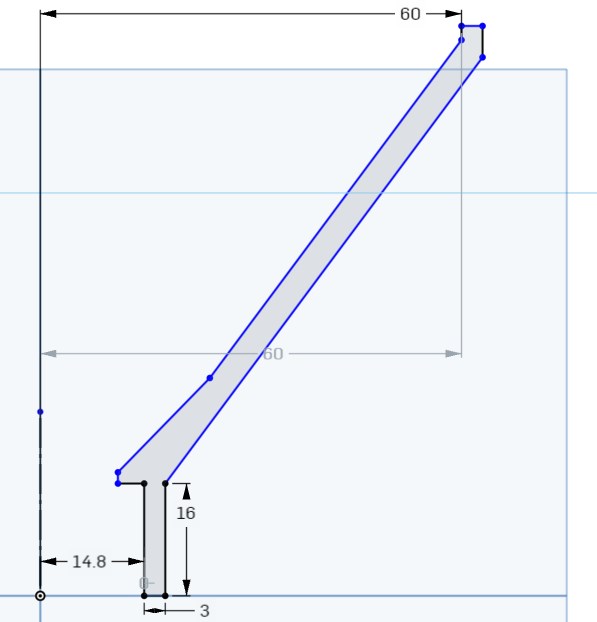
For a while Tinkercad was exactly what I needed. Then I started running into its limits. By 2020 I was finally ready to move beyond it and start learning Onshape. I even said outright that it was time to grow up from Tinkercad, and once I got a taste of parametric design I wished I had done it earlier. That shift mattered because it changed 3D printing for me from modifying other people’s files into making much more specific parts that actually fit the problems I was trying to solve. It also changed how I thought about the hobby. The more comfortable I got designing my own parts, the less 3D printing felt like a neat gadget and the more it felt like a genuinely useful tool. I go deeper into that CAD shift and what it changed for me in the second article, and several of the custom-fit parts that came out of it show up again in the third article.232425
The Upgrade Rabbit Hole Never Really Closed
By the end of 2021, I could see how much printers had changed since I bought the CR-10. Quieter stepper drivers, better boards, direct drive, improved screens, easier setup, and lower prices kept pulling at me. I even bought an original Ender 3 on sale and let it sit in the box because, when it came down to it, it didn’t really offer anything I needed badly enough to justify replacing the CR-10.26
That whole period was basically me arguing with myself about what I actually valued. Quiet motion mattered. A better screen mattered. Direct drive sounded appealing. At the same time, I kept asking myself how much build space I really needed, how important the huge support community was, and why I was shopping so hard when the CR-10 still worked just fine. That tension is probably why the original Ender 3 managed to stay boxed up for so long.27
If you want a pretty good snapshot of how I buy printers, that whole period was it. I’m often frugal to a fault, and 3D printers became a running exercise in talking myself into and out of upgrades. I briefly tried an Ender-3 S1 because direct drive and flexible filaments sounded great, got a dead screen out of the box, returned it, and then circled back to the printer that had been on my mind all along: the Ender-3 V2. In a very on-brand move, I returned the broken printer, woke up at 4 a.m., saw the refund had been processed, and took about two-thirds of the money and bought the Ender-3 V2, which really was where I had started that whole decision loop. When I finally got that machine assembled and printing, I loved the big screen and the quiet motion right away.28293031
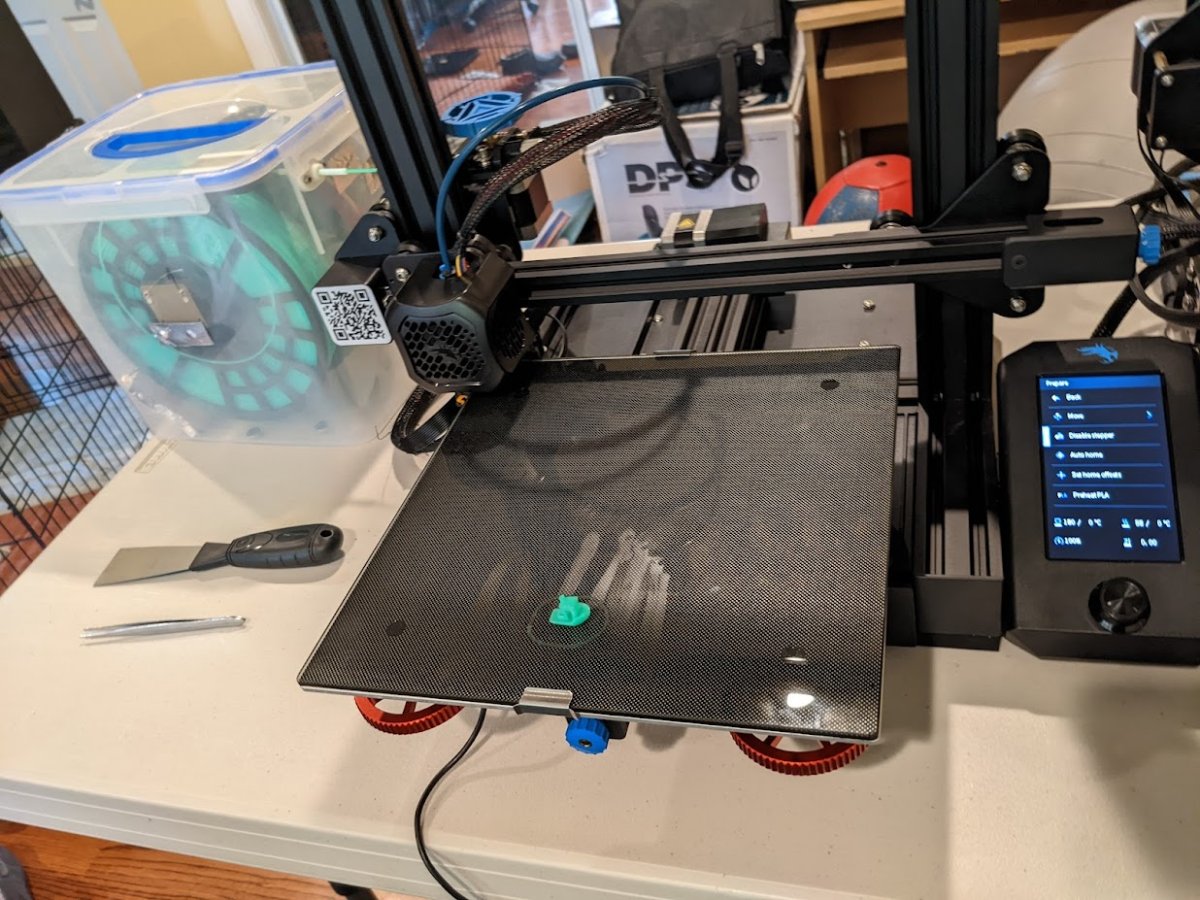
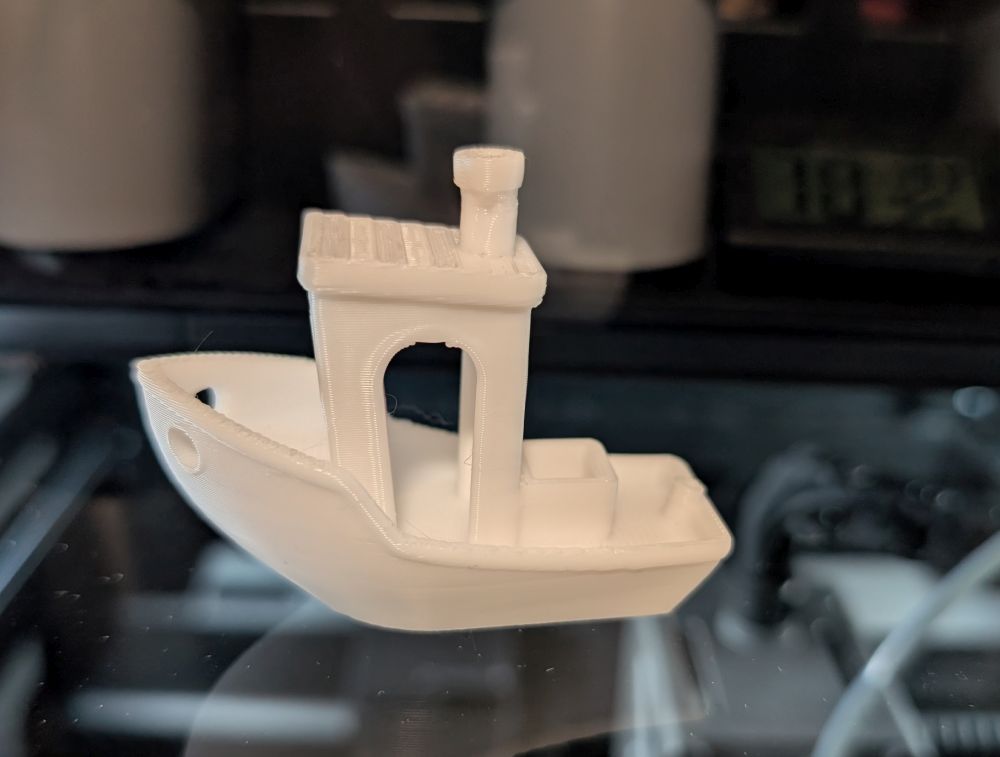
When I finally put the V2 together, I took my time. After the S1 detour, I wanted this one to go smoothly. I spent about an hour and a half assembling it carefully, swapped in a few parts while I was at it, and then spent more time getting Cura, the SD card, and the leveling sorted out. That slower start paid off. The first Benchy printed cleanly, the big screen really was much better than the older Creality screens, and the quiet motion was immediately one of the biggest upgrades I noticed.32
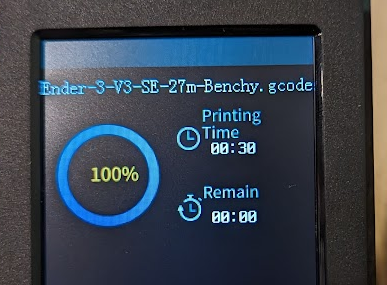
I went through a similar internal debate again in 2023, when the Ender-3 V3 SE showed up at a price that was almost impossible for me to ignore. At $195, with auto bed leveling and a direct-drive extruder, it was just too tempting not to try. When it arrived, setup was fast, leveling was easy, and over time I found myself really appreciating just how simple it was to feed and unload filament compared to my older Bowden setups. What really stood out to me later was that, unlike all my other printers, I hadn’t made a single adjustment to it. Everything just worked fine.333435
I also liked how quickly the V3 SE made a good first impression. Assembly was faster than any of the other Creality printers I’d owned, bed leveling was almost absurdly easy, and even using a borrowed speed-Benchy file from YouTube, the result came out remarkably clean for a quick test print. It felt like a machine that asked a lot less from me up front than the earlier Creality printers had.36
Finally Letting Myself Buy the Nice Printer
By late 2025, the internal debate had shifted from whether I needed another budget-friendly printer to whether I was finally willing to buy the nice one. I spent a lot of time doing what I usually do: looking for the thing that would give me 80 percent of the value at 50 percent of the price. I kept talking myself down to the cheaper compromise. Then my girlfriend made a point I couldn’t really argue with: 3D printing had been one of my most favorite hobbies since 2017, and I had saved enough money that I could afford something nice for myself. I had spent a lot of time almost buying other printers first, especially the ones that seemed to promise most of what I wanted for a lot less money.37
This was also one of those moments where I had to admit something about myself that had been true for years: I’m often frugal to a fault, and I do have a habit of putting off my own happiness with some version of, well, this is good enough. That had shaped a lot of my printer decisions up to that point, and the H2S was really the first time I pushed past it on purpose.3839
That was the push that finally got me over the hump. I bought the Bambu Lab H2S because I wanted a larger print bed, an enclosed machine, the option to experiment with more materials, and the feeling that I was finally getting something top-of-the-line instead of talking myself back down to the cheaper option.40
- I wanted the larger print bed.
- I wanted an enclosed printer so I could finally test materials I had mostly stayed away from.
- I liked having the AMS option, even if I wasn’t sure how much I would use it.
- I had been telling myself for a while that if Bambu ever released the right larger-bed machine, that would probably be the one.
When it arrived, my first reaction was that it was enormous. My second reaction was that it just worked. The startup routines were noisy, the machine shook more than I expected, and it clearly came with a different set of tradeoffs than my older printers. But the speed, quality, reliability, and lack of fuss were immediately obvious. After years of tape, glue stick, tweaking, and babysitting, it was pretty wild to watch a machine feel that effortless.41
One of the strongest little moments in that first day was realizing how much old baggage I was mentally carrying from earlier printers. I was still expecting surface prep rituals and more babysitting. Instead, I was printing clean parts at ridiculous speed and thinking about how strange it was that I might never again need the same tape-and-glue habits that had felt normal for years.42
Then the Tiny Printer Changed My Thinking Again
What surprised me most is that the story did not end with the big, expensive machine. A few months later, I found myself less excited about using the H2S than I expected, mostly because of the AMS and how annoying brittle filament could be. I had already picked up an A1 Mini on sale and planned to return it unopened. Instead, I finally opened it, put it where my Ender-3 V3 SE had been, and almost immediately found myself happy printing again. It made a lot of sense once I admitted what I was actually doing day to day: quick, small prints, mostly in a single color, where easy access and low friction mattered more than having the biggest, fanciest machine in the house.4344
The A1 Mini section of this story matters because it forced me to be honest about my actual habits. I had a big, huge expensive monster printer in one room and a tiny printer near my desk that I was using all the time. Once I admitted that most of what I print is single-color and that roughly 85 percent of it fits on the little bed, the emotional logic became hard to ignore. The smaller printer felt easier to live with, easier to recover from jams on, and easier to be excited about using.45
That was one of the clearest reminders in this whole process that capability and convenience are not the same thing. I had spent years chasing better specs, better features, and bigger machines, only to be reminded that most of what I actually print is small, single-color, and easier to manage on a simple little printer sitting right next to me. The H2S still gave me the huge bed and enclosed printing I wanted, but the A1 Mini reminded me that convenience matters just as much as capability.46
From First Curiosity to Obsession
Looking back, the thing that stands out most is how early the obsession showed up. I was talking about the future of 3D printing before I owned a machine. I was opening a forum section for it before I had done a single print. Then I bought the Monoprice Select Mini, started printing upgrades for the printer itself, designed my own toilet seat part before the machine even arrived, moved up to the CR-10 almost immediately, spent years bouncing between printers and design tools, and eventually talked myself into buying a Bambu because I finally had to admit this wasn’t a casual interest anymore.474849
What also stands out is how consistent the underlying pattern has been. I got interested because I wanted to solve practical problems. I bought the first printer because it seemed like the least painful way in. I moved up quickly because the first one made the limits obvious. I kept chasing better machines, but I also kept coming back to the same basic questions about value, convenience, and whether the printer actually fit the way I use it. In that sense, the obsession was never really about owning the newest hardware. It was about wanting the tool to feel more and more natural in everyday life.505152
I’m still constantly amazed at how much I enjoy this hobby and how many situations I’ve solved just by having a 3D printer sitting nearby. I still like practical prints more than gimmicks. I still like getting good value for the money. I still enjoy the problem-solving part as much as the finished part. The only real difference now is that I no longer pretend this is a side curiosity. It turned into one of my favorite hobbies, and at this point I don’t see that changing anytime soon.5354
That is the story side of the series. In the second article, I get into what 3D printing actually taught me: adhesion, filament handling, CAD, workflow, and the bigger lessons that stuck. If you would rather jump straight to the actual prints, fixes, and favorite projects, that is what the third article is for.